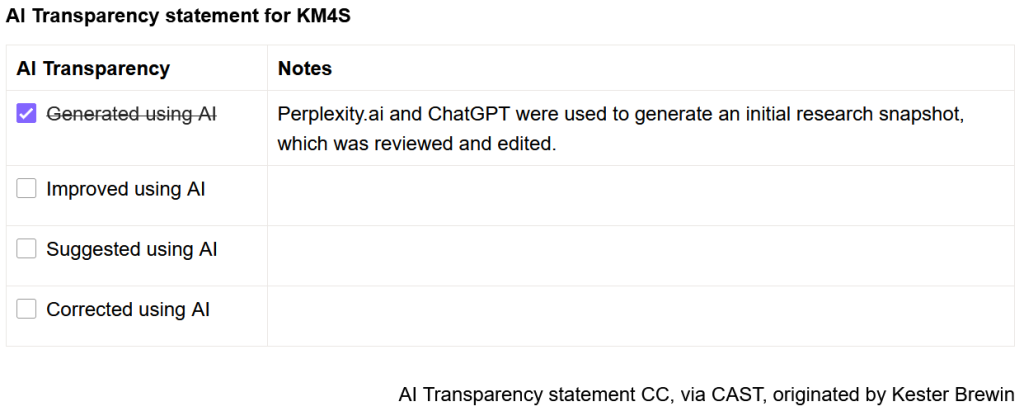
This research examines the demand for digital skills in Canada's nonprofit sector compared to other sectors of the economy. It analyzes job postings data to understand skills demand trends within the nonprofit sector and compares them to jobs requiring similar education levels and tech jobs.
What do you need to know?
The nonprofit sector is vital to Canada's economy and society, employing 2.5 million people and generating almost $200 billion in GDP in 2021.
Digital skills are increasingly important across all sectors, including nonprofits.
There is limited research on the current skills and future demands for the nonprofit workforce in Canada.
Additional context from the report:
"The nonprofit sector is the cornerstone of community services in Canada, delivering invaluable support to people in every region of the country. But as in most sectors, nonprofits are responding to rapid changes to digital technology. A digitally skilled nonprofit workforce is increasingly essential to successfully serve the evolving needs of communities. However, there is limited research that assesses the current skills and future demands for the nonprofit workforce in Canada. What we do know is that there is a growing gap between the digital skillsets and capacity they have now and what they need to continue delivering services effectively."
This report is part of a 17-month project which has four strategic Phases:
Creating a scalable Digital Skills Plus (DS+) talent model
Understanding the current supply and future demand for DS+.
Analyzing the gaps in supply versus demand for DS+.
Co-designing and rapidly testing solutions to close this gap.
Project objectives:
reinforce the evidence base in Canada on current and future needs for DS+ in the nonprofit sector, informing the sector’s future training and talent strategies, increasing awareness of the forecasted demand for DS+ and enhancing the sector’s ability to articulate and close the most pressing skill gaps;
use this research to inform and test a prototype (or prototypes) of a scalable DS+ upskilling model that provides practical, tailored and broadly applicable training for the nonprofit workforce (in other words, to help them develop foundational and advanced digital competencies, fostering a culture of continuous learning and innovation); and
mobilize findings and learnings via public reports, research briefs and recommendations to bring greater evidence-informed discussion to the nonprofit sector around its DS+ needs and paths forward.
What did the researchers do?
Researchers analyzed job postings from 2023, focusing on digital skills required in nonprofit jobs. They compared these skills to those demanded in jobs requiring a university or college degree and tech jobs. The analysis involved classifying job postings to identify those related to nonprofits and examining the prevalence of various digital skills across these postings. They used a text classifier model to identify nonprofit job postings from a sample of 300,000 job postings, categorizing digital skills into five sub-clusters based on their digital intensity. They compared the frequency and types of digital skills demanded across the three job categories.
What did the researchers find?
Key findings include:
Nonprofit jobs have a lower demand for digital skills compared to adjacent knowledge sector jobs and tech jobs. While digital needs for nonprofit jobs may not be as strong compared to other knowledge sector jobs, there is evidence that nonprofit jobs are keeping up with digital skills trends to some extent.
About 52% of unique skills demanded in nonprofit job postings are digital, compared to 48% for jobs requiring a university/college degree and over 70% for tech jobs.
The most demanded digital skills in nonprofit jobs are lower-intensity skills like Microsoft Office suite. Microsoft Office is the most demanded digital skill in nonprofit jobs, highlighting a reliance on basic digital tools rather than more advanced technologies.
63.3% of nonprofit job postings did not require any digital skills, similar to jobs requiring a university/college degree (63.4%), but much higher than tech jobs (13.8%).
Nonprofit jobs showed a 32.7% increase in demand for artificial intelligence skills in the second half of 2023, indicating some responsiveness to digital trends.
How can you use this research?
If you work in the nonprofit sector, you can use this research to:
Identify digital skill gaps in your organization and sector.
Prioritize digital upskilling initiatives for staff, focusing on both basic and more advanced digital skills.
Incorporate more digital processes into everyday activities to increase organizational efficiency and resilience.
Consider offering or encouraging participation in microcredential programs for specific digital skills.
Advocate for resources and support to enhance the sector's digital capacity.
Collaborate with government, educational institutions, and other stakeholders to develop training programs specifically catered to nonprofit workers' digital skill needs.
Use the findings to inform future hiring practices and job descriptions to attract candidates with relevant digital skills.
This research examines the demand for digital skills in Canada's nonprofit sector compared to other sectors of the economy. It analyzes job postings data to understand skills demand trends within the nonprofit sector and compares them to jobs requiring similar education levels and tech jobs.